Pure monk fruit sweetener is a great way to replace sugar in all sorts of treats. It’s a keto-friendly option that doesn’t contain any calories or raise blood sugar. I use it regularly to satisfying my sweet tooth without the sugar rush.
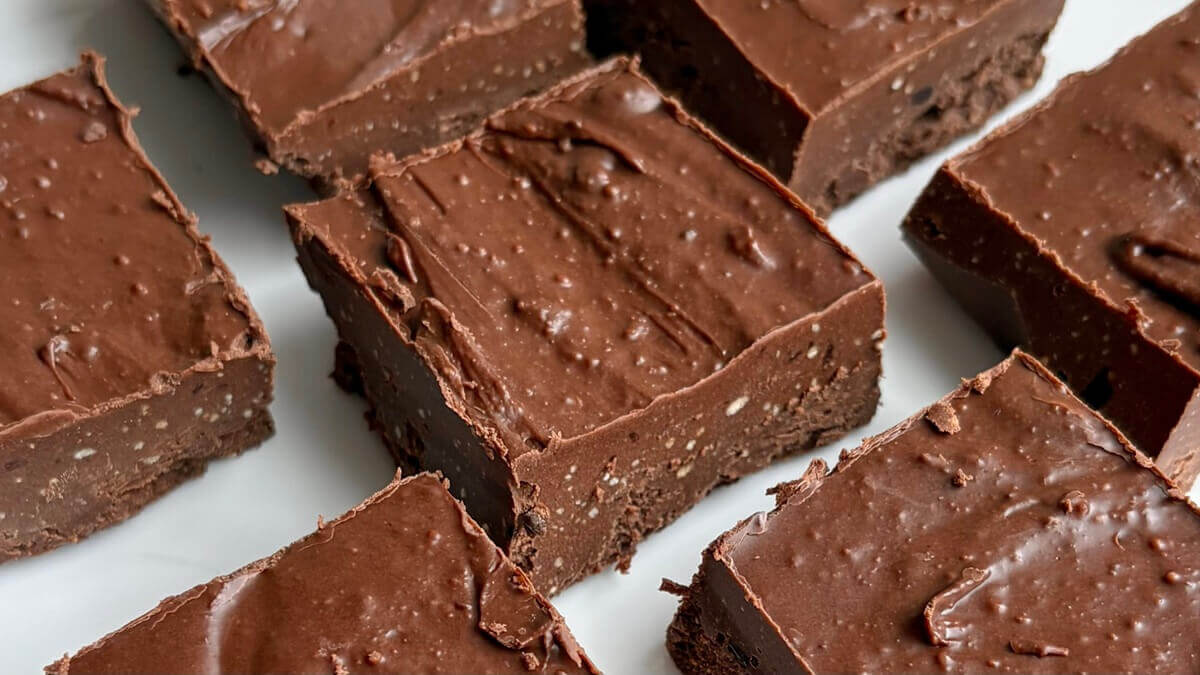
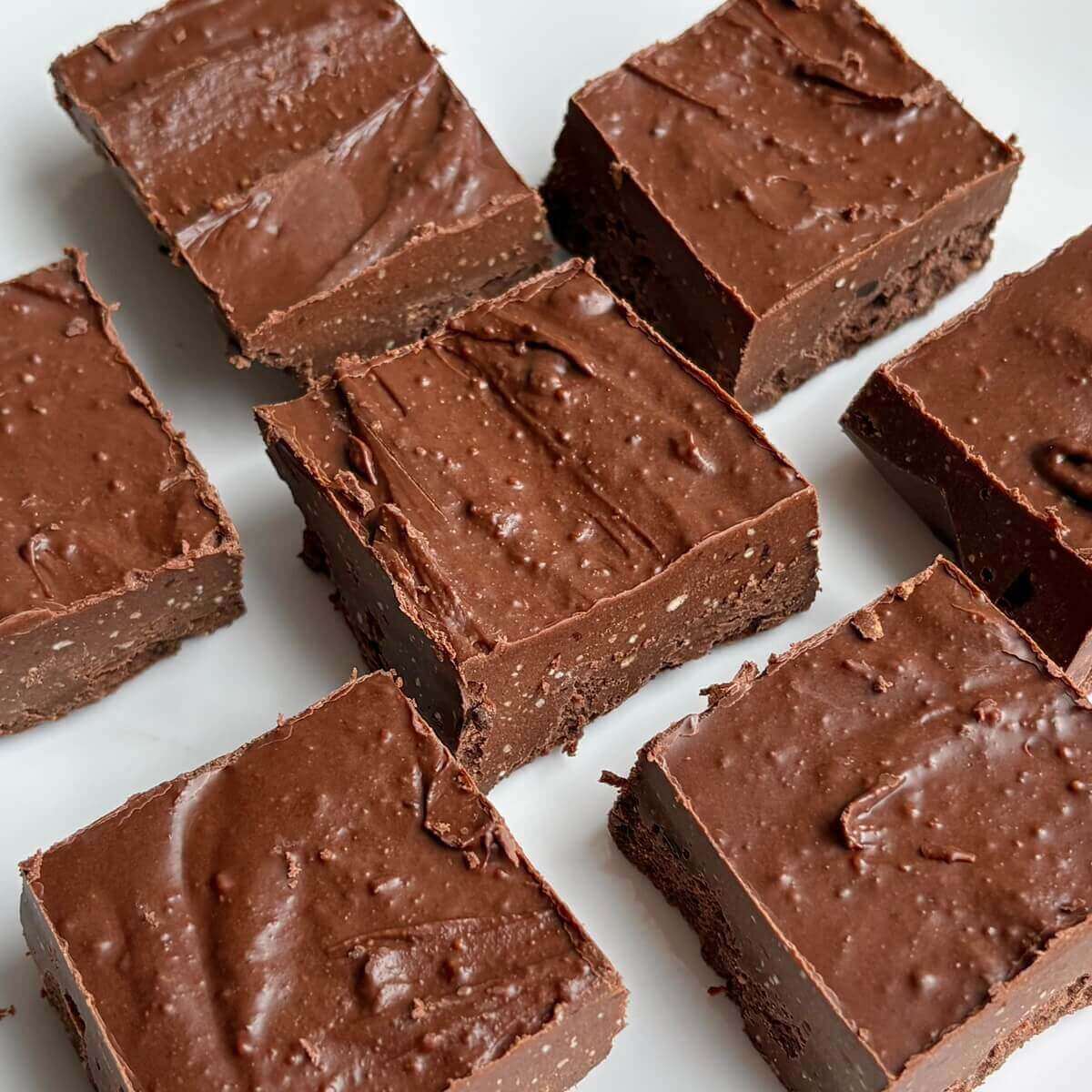
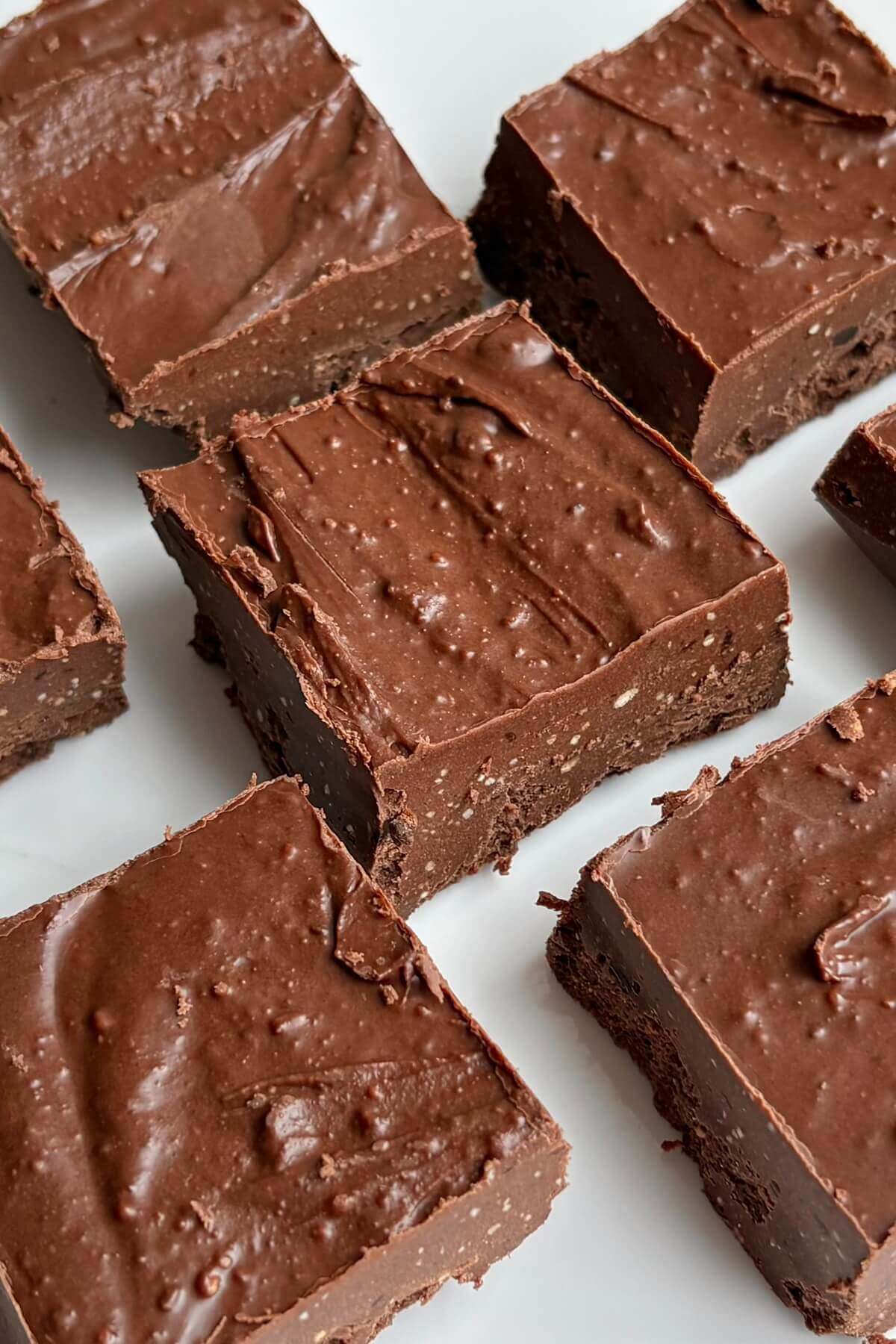
My favorite way to use it is in this rich and creamy chocolate monk fruit fudge (which is actually really easy to make). I also love it in this monk fruit lemonade, which has that perfect balance of sweet and tart flavors. If you’ve been craving a sweet drink but want to avoid sugar or artificial sweeteners, definitely give that a try.
What is Pure Monk Fruit Sweetener?
Pure monk fruit sweetener is made from monk fruit (also called luo han guo), a small green fruit native to Southern China. It gets its sweetness from antioxidants called mogrosides. Since it doesn’t contain any calories or raise blood sugar, it’s a fantastic option for anyone who needs to be mindful of these things.
Liquid Monk Fruit Sweetener vs Powdered
Personally, I prefer using pure liquid monk fruit sweetener because it blends well into treats without adding a gritty texture. If you have trouble finding it at your local grocery stores or health food stores, it’s widely available online.
Regardless of whether you choose liquid or powdered, check the label carefully to make sure it isn’t mixed with other sweeteners (if you prefer to stick with the pure stuff). Many manufacturers do mix it with other sweeteners such as erythritol or allulose, so check carefully if you are sensitive to those. Personally, I find pure liquid monk fruit to be the easiest to digest and simplest to use.
Is Monk Fruit a One to One Substitute for Sugar?
Nope, not even close! Pure monk fruit sweetener is definitely not a one to one substitute for sugar. In fact it’s estimated to be between 100 and 250 times sweeter than regular table sugar, which is why only a very small amount is needed in recipes.
I recommend using recipes that were specifically tested and formulated using pure monk fruit sweetener, like these peanut butter chocolate monk fruit cookies, which are another one of my favorite low-carb treats.
Does Monk Fruit Have an Aftertaste?
A little bit, in my opinion. Some people don’t notice it at all, but I do detect a slight aftertaste. It doesn’t bother me at all though, especially when incorporating it into recipes that use strong flavors such as cocoa powder or peanut butter, which help mask the aftertaste. My thinking is that a slight aftertaste is well worth the benefit of getting to enjoy a sweet treat without the sugar rush.
Have You Tried Monk Fruit?
Let me know if you enjoyed it in the comments!